25 April, 2026
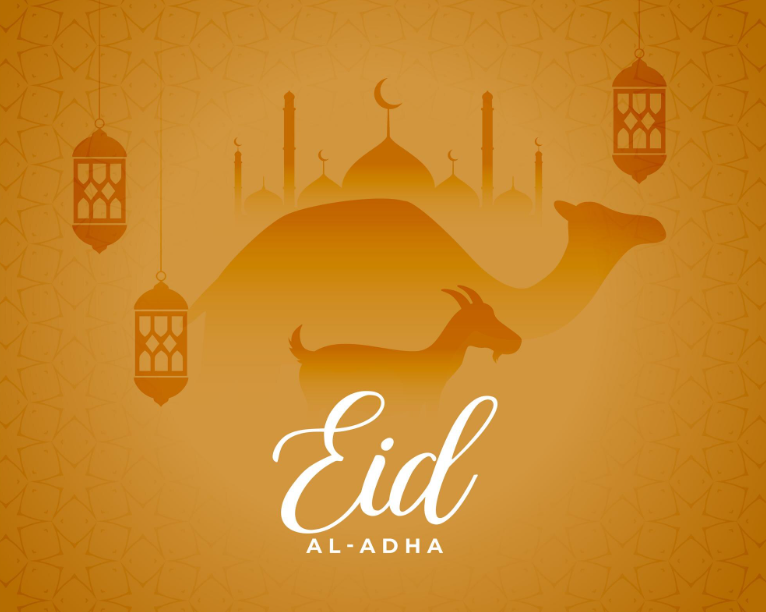
Eid al-Adha 2026 is one of the most significant Islamic holidays, celebrated by Muslims worldwide with deep spiritual devotion, acts of charity, and communal joy. Known as the “Festival of Sacrifice,” it commemorates faith, obedience, and generosity—core values in Islam.
Eid al-Adha marks the story of Prophet Ibrahim (Abraham), who demonstrated unwavering faith by being willing to sacrifice his son in obedience to God. Before the sacrifice took place, God replaced his son with a ram, symbolizing mercy and divine intervention.
This event represents:
- Absolute submission to God’s will
- Faith during trials
- The importance of sacrifice for a higher purpose
Eid al-Adha is observed annually during the Islamic month of Dhul Hijjah, following the completion of the Hajj pilgrimage.
Eid al-Adha 2026 is expected to begin on the evening of Monday, May 26, 2026, and continue until Friday, May 29, 2026.
Note: Dates may vary slightly depending on moon sighting.
Eid al-Adha holds immense spiritual importance in Islam because it:
- Reinforces the concept of obedience to God
- Encourages generosity and sharing with others
- Connects Muslims to the legacy of Prophet Ibrahim
- Coincides with Hajj, one of the Five Pillars of Islam
For Muslims, this is not just a celebration—it is a time for reflection, gratitude, and strengthening faith.
Preparation for Eid al-Adha begins days in advance and includes both spiritual and practical aspects:
1. Spiritual Preparation
- Increased prayer and remembrance of God
- Fasting during the first nine days of Dhul Hijjah (especially the Day of Arafah)
- Seeking forgiveness and giving charity
2. Personal Preparation
- Wearing clean or new clothes
- Attending the special Eid prayer at mosques or open grounds
- Reciting Takbeer (phrases glorifying God)
3. Social Preparation
- Visiting family and friends
- Preparing meals and sweets
- Planning charitable acts
One of the central rituals of Eid al-Adha is Uḍḥiya (the sacrifice of an animal such as a sheep, goat, cow, or camel).
Conditions of Islamic Slaughter
Islamic slaughter follows specific ethical and religious guidelines:
- The animal must be healthy and treated humanely
- A sharp knife is used to minimize suffering
- The name of God (Bismillah, Allahu Akbar) is recited before slaughter
- The slaughter is performed swiftly and respectfully
Distribution of Meat
The meat is divided into three parts:
- One-third for the family
- One-third for relatives and friends
- One-third for the poor and needy
This ensures that everyone, regardless of financial status, can share in the celebration.
Q1: Why is Eid al-Adha called the Festival of Sacrifice?
A: It commemorates Prophet Ibrahim’s willingness to sacrifice his son in obedience to God.
Q2: Is Qurbani mandatory for all Muslims?
A: It is obligatory for financially able Muslims and highly recommended for others.
Q3: Can the sacrifice be done in another country?
A: Yes, many people arrange Qurbani through charities to benefit those in need globally.
Q4: What is the difference between Eid al-Fitr and Eid al-Adha?
A: Eid al-Fitr marks the end of Ramadan, while Eid al-Adha is associated with sacrifice and Hajj.
Q5: How long does Eid al-Adha last?
A: It lasts 3–4 days, depending on local traditions.
Q6: What should Muslims do on Eid morning?
A: Perform the Eid prayer, listen to the sermon, and begin the sacrifice ritual.
Eid al-Adha 2026 is more than a holiday—it is a profound reminder of faith, sacrifice, and generosity. It brings people together across cultures, reinforcing the values that lie at the heart of Islam.
